
You’re a senior leader. One who people look to when everything breaks. And you’re about to take the lead managing a critical event. At each step, you’ll choose how to respond as a crisis unfolds. Your decisions will shape the outcome.
This experience is designed for business continuity, IT, and security leaders who want to see how their choices shape response and resilience.
Pressure test your instincts.
Ready? Let’s go.

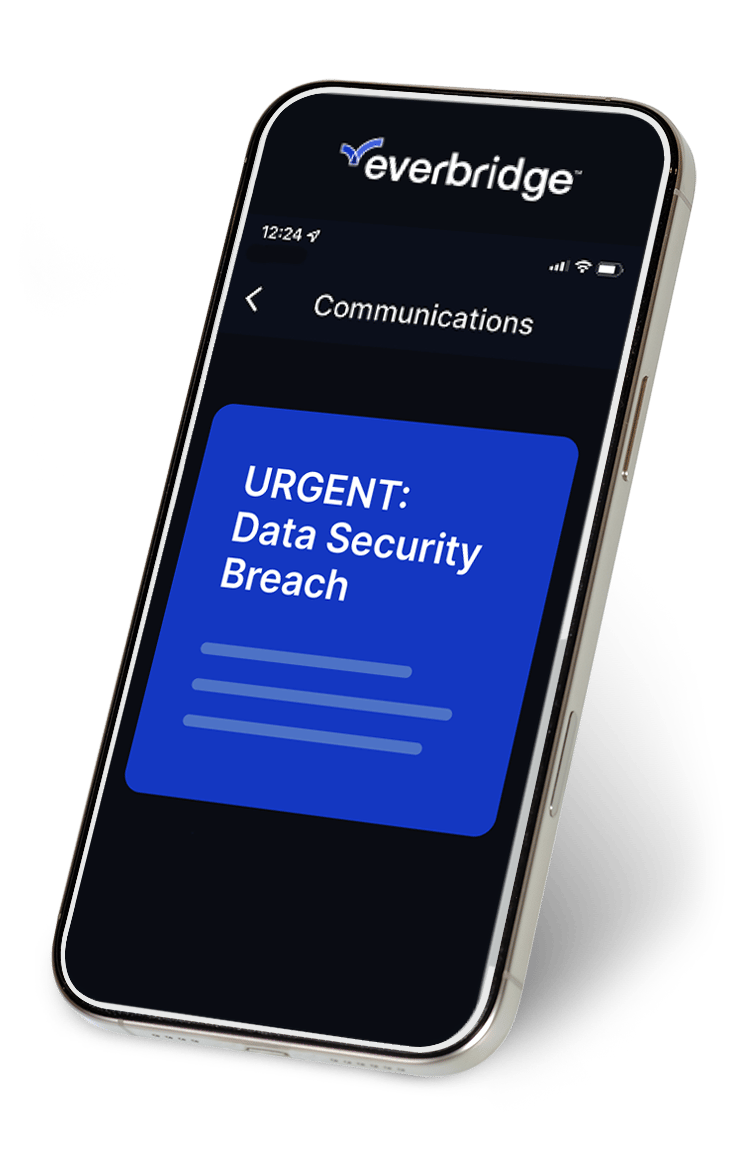
It’s 6:07 AM.
Your phone buzzes with a high-priority alert.
Critical systems in three regions are down.
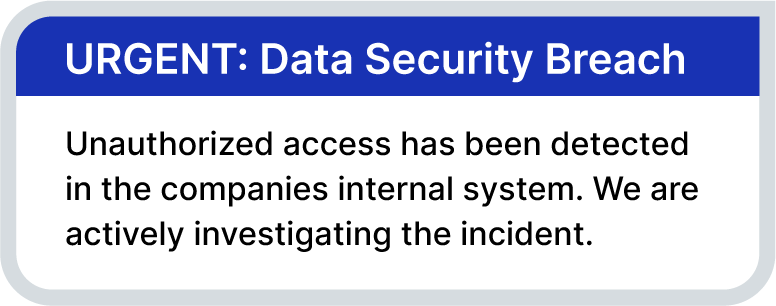
Customer-facing portals are timing out. Internal VPN access is failing. A vague report from one site mentions “weird files” appearing across the shared drive. You can’t reach your CISO. You’re in charge.

Decision Point 1
What Do You Do?

A) Notify the business continuity lead


B) Convene the executive crisis team
C) Wait 15 minutes for more information from IT
A) Notify the business continuity lead
You loop in your BC contact. She’s quick to respond but asks for clarity: is this a continuity issue or IT-led? You tag in IT operations. They investigate the root cause and extent of impact. Engineering and Cyber are also notified. You lose 20 minutes while everyone debates who should be doing what.
Continue to Decision Point 2
B) Convene the executive crisis team
You pull together your crisis leadership group via video call. Half are traveling. Legal joins but has no context. Sales leaders ask about customer impact. Marketing asks about external messaging. There’s still no diagnosis. Everyone’s waiting on more information.
Continue to Decision Point 2
C) Wait 15 minutes for IT
You wait. At 6:22 AM, IT reports that the affected systems are showing signs of unauthorized file encryption. Ransomware is now a strong possibility. Business Continuity wants to know all the applications that are affected to gain an understanding of impact on critical processes; however, they’re unsure how many other applications are impacted. Now you’re 15 minutes behind, with no comms sent and no BC/DR plans activated.
Continue to Decision Point 2

Decision Point 2
Do You Activate the Plan?

The facts aren’t all in, but the disruption is real. What do you do?
A) Launch your continuity playbook for ransomware events
B) Ask IT to fully confirm before triggering response
C) Send a broad message to all staff asking them to log off and wait
A) Launch the playbook
Your predefined response plan kicks in. Employees are notified of the incident. IT is freed up to focus on the technical investigation. Employees are redirected to known-good backup channels. Internal confusion is reduced. You’re still in crisis, but people know what to do.
At 7:03 AM, IT confirms encryption in four offices. Your regional leads are already activating recovery protocols. Leadership is updated on cadence. Public messaging is ready if needed. You’re not out of the woods, but you’re aligned and moving.
Continue to Decision Point 3
B) Wait for confirmation
IT takes another 25 minutes to confirm ransomware. By then, two more departments with critical applications are affected. Backup systems aren’t prepped. Employees start emailing leadership asking what’s going on. The delays impact customers and cause confusion and reputational risk.
At 7:15 AM, you scramble to catch up. Your BC team launches late. Comms are reactive. The CEO texts asking if Legal has reviewed messaging. You’re managing uphill.
Continue to Decision Point 3

What Do You Say and When Do You Say It?
Decision Point 3

It’s 7:30 AM. Your technical teams are working the issue. Regional and Departmental leads are standing by for more information.
But word is spreading.
A few customers that experienced a disruption in service are posting on LinkedIn and X. Internal Slack threads are lighting up with speculation. An account manager forwards a message to executives from a client asking, “Is this a cyberattack?”
What do you do?
A) Hold messaging until legal signs off on every word
B) Acknowledge the issue to customers or publicly but with limited details
C) Say nothing and let customer teams respond 1:1
A) Hold messaging until legal signs off on every word
You play it safe and wait for legal to approve a carefully worded statement. It takes 45 minutes. In that time, customers grow more frustrated. Employees post their own guesses online. Leadership asks why you’re not saying anything. You avoid legal exposure, but now you’re in damage control.
Continue to FINAL DEBRIEF
B) Acknowledge the issue publicly with limited details
You issue a short external statement: “We’re aware of a technical disruption affecting some systems. Our teams are actively investigating and will provide updates as needed.” Internally, you reinforce calm, clear direction. You buy time, reduce speculation, and show you’re on it – even without full details.
Continue to FINAL DEBRIEF
C) Say nothing and let customer teams respond 1:1
You tell customer-facing teams to handle inquiries case by case. Some are confident, others less so. Inconsistent replies start circulating. One rep says it’s “probably ransomware.” Another says, “IT is just doing maintenance.” Confusion and frustration spreads among customers. Trust erodes. You lose the narrative.
Continue to FINAL DEBRIEF
Final Debrief

Even in a fictional scenario, a few things stand out:
Delays are costly. Whether it’s waiting for full information or unclear ownership, every moment matters.
Fragmented communication creates confusion. People need specific instructions, not vague information.
Crisis response must be coordinated across functions. IT, business continuity, comms, and leadership need visibility. Leadership needs to take control.
Prebuilt playbooks save time. You can’t build a robust plan on-the-fly.
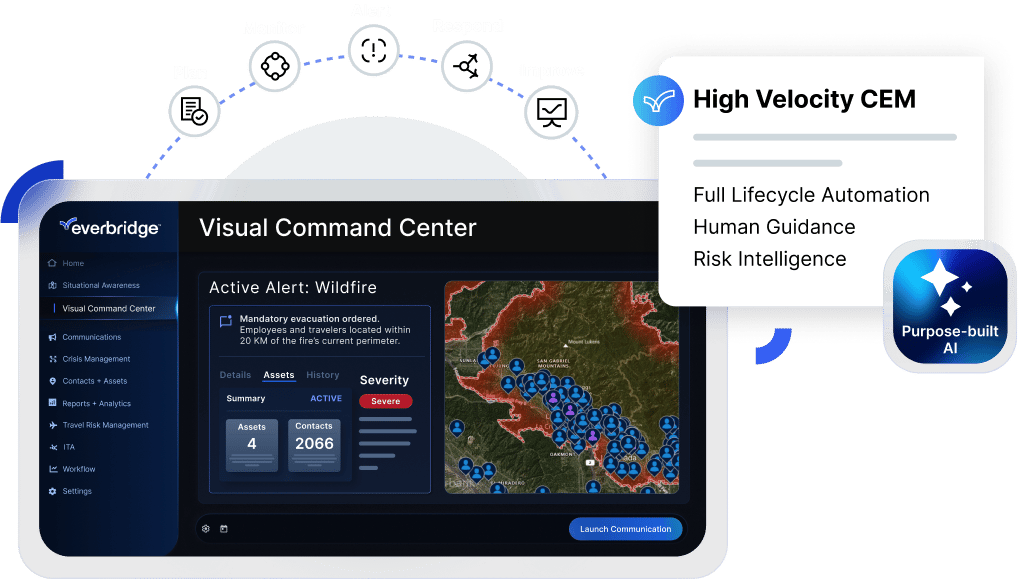
Automation helps. The more you can trigger the right steps automatically, the less you depend on memory or manual coordination.

Resilience isn’t about perfection.
It’s about preparation and execution.
In the real world, the difference between a chaotic scramble and a controlled response often comes down to how connected your systems and people are – and how quickly you can activate appropriate plans and personnel when you need them most.

Resilience isn’t about perfection. It’s about preparation and execution.
In the real world, the difference between a chaotic scramble and a controlled response often comes down to how connected your systems and people are – and how quickly you can activate appropriate plans and personnel when you need them most.

Copyright © 2025 All Rights Reserved
PRIVACY POLICY | TERMS & CONDITIONS | DO NOT SELL MY PERSONAL INFORMATION
Copyright © 2025 All Rights Reserved
PRIVACY POLICY | TERMS & CONDITIONS
iphone: Hand-robot/iStock / Getty Images Plus; Businessman using tablet: Goads Agency/E+ via Getty Images